THE prediction of the El Nino formation beginning mid-2023 until early 2024 has been made recently by a few international meteorological agencies and many nations are taking precautionary measures to prevent adverse effects.
The Association of Water and Energy Research Malaysia (AWER) would like to highlight issues that must be taken into consideration to ensure that Malaysia is prepared to face this seasonal weather pattern.
Dam water levels, raw water availability
Every dam has an operating manual, and it is important that raw water availability remodelling is carried out. Actual virgin forest cover has reduced tremendously over the past few decades, which will impact raw water availability and its natural replenishing ability.
Thus, data related to previous El Nino phenomena and how they are formed must be used for relative comparison to forecast possible prolonged dry seasons and their impacts.
Raw water loss in river flow
Dams are used to regulate river flows to ensure the base flow is sufficient to support all activities that rely on a particular river. There is a delay after water is released by a dam until it reaches the usage point.
Due to lower forest cover and dry weather, water released from the dam may face high water loss to the surroundings and not be able to meet the desired base flow. If more water is released to keep the base flow at the required level, this action will deplete dam water at a faster rate.
Effective measures must be put in place to ensure water loss is minimised and does not impact direct raw water extraction for industrial use, irrigation and operation of water treatment plants.
Drop in base flow possibly causing pollution
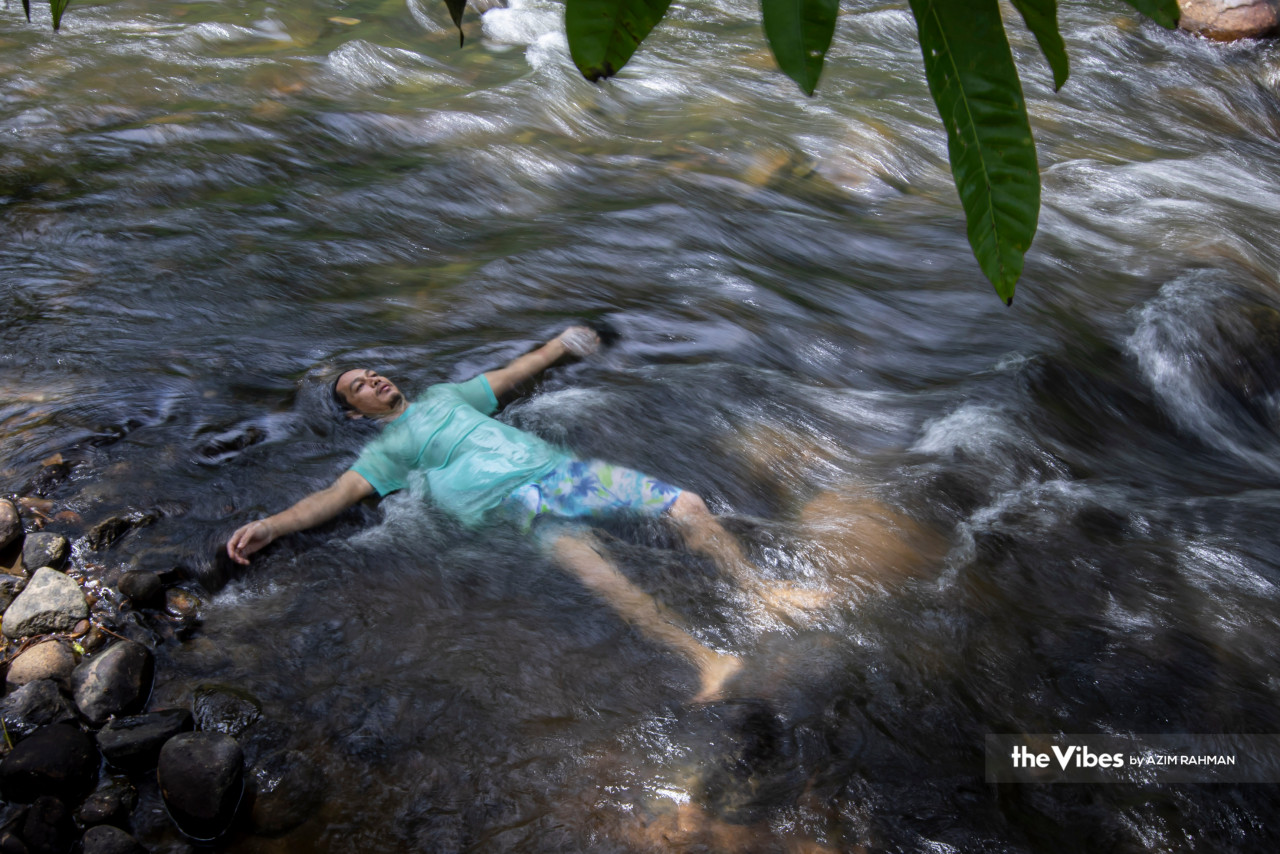
The base flow of rivers drops during the dry season and the El Nino phenomenon may cause it to drop further. This situation will reduce the dilution factor in our rivers.
While the same amount of pollutants may be present, the low dilution factor may increase pollution levels in our rivers. Therefore, additional measures such as a higher frequency of pollutant level monitoring must be put in place to ensure raw water is suitable to be extracted and used.
Seawater intrusion
Due to a drop in base flow in rivers that may come with El Nino, some rivers may face a higher risk of seawater intrusion.
Countermeasures must be put in place to ensure normal economic activities are not impacted, especially if there are downstream water treatment plants or interstate raw water pumping stations.
Pollution prevention
Low base flow during prolonged dry seasons induced by El Nino will place high stress on raw water availability. To ensure water treatment plants’ operations are not affected, the Environment Department and state government agencies in charge of raw water must increase enforcement to prevent water pollution.
Detection of illegal factories and dumping sites must be done swiftly with assistance from local authorities.
Peat fire and haze
A decrease in forest cover, especially virgin forest cover, will impact the natural water cycle, which eventually causes lower localised rainfall.
Due to this, the risk of peat fires will increase during dry seasons. Relevant agencies must be on alert to prevent peat fires from occurring and ensure sufficient water is available to put out peat fires. Haze may strike harder during the El Nino phenomenon as well.
Energy consumption, electricity costs
Hotter weather increases both water and electricity consumption. We are aware that the Ukraine-Russia war and actions by the OPEC+ cartel have impacted energy prices globally.
Additionally, due to direct negotiations in awarding more than 4500-megawatt capacity to power plants, higher generation cost (capacity charges) impacts the electricity tariff.
Awer has advised the government to renegotiate the power purchase agreements (PPAs), especially those that directly violate government policies, to reduce the cost impact of tariffs.
The government must also be aware that El Nino is predicted to occur in the second half of 2023, which will coincide with the 2023 winter energy crunch.
Thus, the government must take measures to manage the fuel cost impacts for the first half of 2024 when the Imbalanced Cost Pass Through (ICPT) is implemented.
On the other hand, due to the incompetence of electricity plants in planning for intermittent (unreliable) solar power generation to increase rapidly over the last decade, higher dependency will be placed again on fossil fuel power generation for peak demand.
Thus, the government must implement proper cost management mechanisms to ensure consumers and businesses are not affected by an increase in electricity tariff (ICPT surcharge) due to increased fossil fuel dependence.
Treated water supply
Suruhanjaya Perkhidmatan Air Negara (SPAN) and both Sabah and Sarawak state governments must put in place proper mechanisms to monitor and manage treated water supply situations.
Under the Water Services Industry Act 2006 (WSIA), treated water usage control (Section 54: Reduction or Cessation of Supply) and water emergencies (Section 56: Special Powers During Emergency) can be implemented if a water crisis is induced by El Nino.
Under Section 54, normal water rationing, cessation of supply, as well as control of water pressure can be implemented. However, if the situation worsens, Section 56 can be used to implement stricter, targeted control and cessation of water supply.
In view of the fact that Sabah and Sarawak are not part of the WSIA model, both states can emulate similar approaches to managing the situation.
Colour coding and tagging raw water availability situations into green, yellow, orange, red, and brown, as well as preparing suitable control mechanisms to correspond with treated water supply situations can be done much earlier and communicated to all consumers to ensure smooth implementation.
The past experience in carrying out water rationing also showed that non-revenue water (NRW) – which is treated water that is lost in the treated water supply system due to leakages and other technical faults as well as theft – will increase due to the controlled treated water supply having higher water pressure.
This may end up increasing leakages during water rationing. SPAN and both Sabah and Sarawak state governments must ensure proper pressure management to keep NRW under control during water rationing.
Areas with poor water supply infrastructure
Old settlements, suburban and rural areas may face low water pressure or receive no water supply during the dry season due to peak hour water consumption that may be prolonged.
Thus, areas with poor water supply infrastructure and low water pressure must be identified and equipped with static water tanks that can be filled up using water tank trucks. This will minimise the impact of peak-hour water supply disruptions. All water operators must know these locations and no excuse should be entertained.
These situations still exist due to a delay in the National Water Services Industry Restructuring (NWSIR) implementation.
Rural water supply projects that do not fall under the ministry in charge of water should be subjected to similar approaches by the relevant ministry to streamline crisis management.
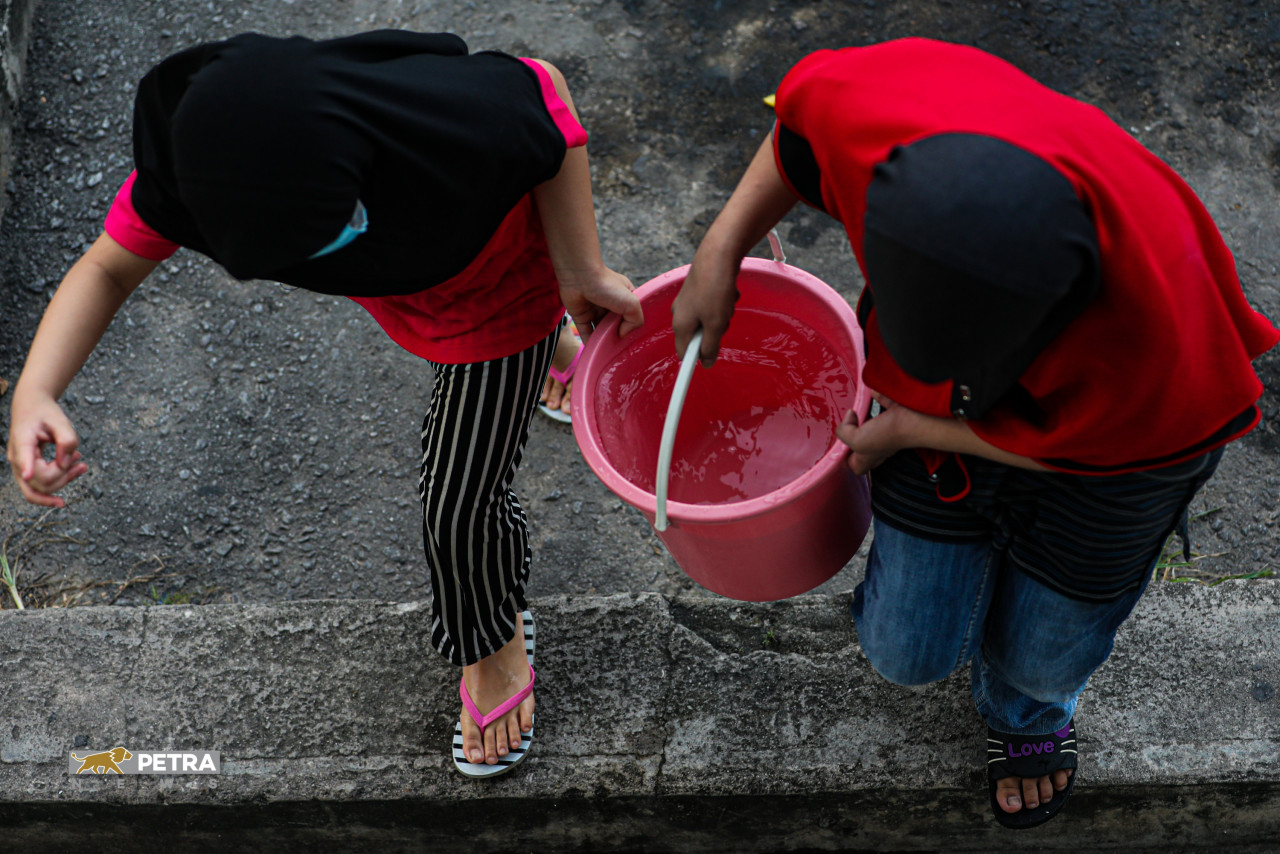
Economic activities relying on raw water
The direct extraction of raw water from rivers must be properly tabulated and managed. Federal and state governments must implement proper mechanisms to analyse and derive the efficiency parameters for sectors that directly extract raw water for their operations to avoid raw water wastage.
Reusing, recycling water
Water reuse is the reuse of wastewater produced in an operation with minimum treatment to substitute the use of treated water. Water recycling is the introduction of a proper treatment process to convert wastewater to be used in industrial or business activities to substitute the use of treated water.
The business sector must invest to reduce its operational risk that may be impacted due to the projected El Nino phenomenon, as well as part of the journey to reduce its water footprint strategically.
Coordinated planning, implementation
Federal and state-level committees must be formed to ensure coordinated information sharing and concerted efforts are carried out to manage a possible El Nino-induced crisis.
All past El Nino occurrences that have been recorded must be studied and compared against the loss of natural forest cover. We would like to reiterate that a production forest is not the same as a natural virgin forest.
Thus, an updated raw water availability remodel must be done to ensure we are prepared for a worst-case scenario and minimise social, economic and environmental impacts.
AWER has sent a letter to the prime minister, relevant cabinet members and state governments to take immediate steps to prepare to face El Nino. While El Nino formation is still a prediction, it is better for all of us to be prepared and minimise any adverse social, economic and environmental impact. – The Vibes, May 10, 2023
S. Piarapakaran is president of the Association of Water and Energy Research Malaysia